Barn Owl
About this quiz
This quiz about Barn Owl features 10 questions. It was generated by one of our users February 12, 2026.
The Silent Hunter of the Night
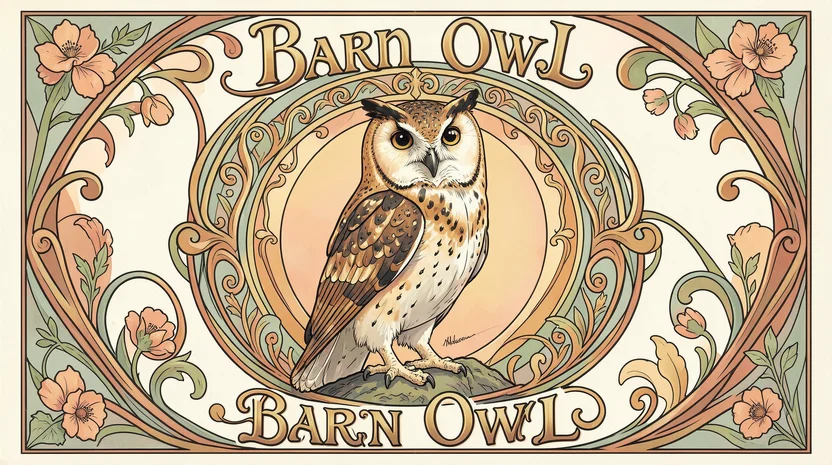
With their distinctive heart-shaped faces and ghostly white appearance, barn owls are among nature's most efficient and mysterious predators. These remarkable birds have earned their name by taking up residence in barns, church towers, and old buildings, where their eerie calls and silent flight have inspired countless folklore tales. Found on every continent except Antarctica, barn owls are perhaps the most widespread of all owl species, adapting to diverse habitats from farmlands to deserts.
What makes barn owls truly extraordinary is their incredible hunting prowess. Their asymmetrically placed ears allow them to pinpoint prey with surgical precision, even in complete darkness. Combined with specialized feathers that muffle sound during flight, they can swoop down on unsuspecting rodents without making a whisper. A single barn owl can consume over 1,000 rodents per year, making them invaluable allies to farmers worldwide. Their facial disc acts like a satellite dish, funneling sound waves to their sensitive ears, while their large, dark eyes are perfectly adapted for low-light conditions.
These fascinating nocturnal hunters also possess some surprising characteristics. Unlike many owl species, barn owls don't hoot – instead, they produce an array of hisses, screeches, and clicks. They're also incredibly loyal partners, often mating for life and returning to the same nesting sites year after year. Ready to test your knowledge about these captivating creatures of the night?
The Barn Owl: A Master of the Night
The Barn Owl ( Tyto alba ) is one of the most widespread and recognizable owl species in the world. Its haunting call and silent flight have captivated humans for centuries, making it a symbol of mystery and wisdom. This study material will delve into the fascinating world of the Barn Owl, exploring its biology, behavior, ecological role, and conservation status.
1. Introduction to the Barn Owl
- Scientific Name: Tyto alba
- Etymology: The genus name Tyto is derived from the Greek word "tytos," meaning "to fall or strike," likely referring to its hunting prowess. The species name alba is Latin for "white," referencing its pale underside.
- Common Names: Barn Owl, Common Barn Owl, White Owl, Ghost Owl, Monkey-faced Owl, Death Owl.
- Distribution: Barn Owls have a near-global distribution, found on every continent except Antarctica, and on most major islands. They prefer open country, farmland, grasslands, and areas with scattered trees.
2. Physical Characteristics
Barn Owls are medium-sized owls with a distinctive appearance:
- Size:
- Length: 33-39 cm (13-15 inches)
- Wingspan: 80-95 cm (31-37 inches)
- Weight: 200-500 grams (7-18 ounces) - females are typically larger and heavier.
- Plumage:
- Upperparts: Mottled with grey and buff, offering excellent camouflage against bark and vegetation.
- Underparts: Varies from pure white to buffy or reddish-brown, often with small dark spots.
- Facial Disc: This is the Barn Owl's most striking feature. It's heart-shaped, white or pale buff, and helps to funnel sound towards their ears. This is unlike the round facial discs of most other owls.
- Eyes: Dark brown or black, giving them a soulful and intense gaze.
- Beak: Hooked and sharp, typically yellowish or grey.
- Talons: Powerful, sharp, and curved, used for grasping prey.
- Silent Flight: Barn Owls have specialized feather structures that break up airflow, allowing them to fly almost silently, a crucial adaptation for hunting.
3. Diet and Hunting Behavior
Barn Owls are primarily carnivores and are highly effective pest controllers.
- Primary Prey: Small mammals, especially rodents like voles, mice, and shrews.
- Other Prey: Birds, insects, bats, and occasionally amphibians and reptiles. The diet can vary depending on the geographical location and availability of prey.
- Hunting Strategy:
- Nocturnal Hunters: Barn Owls are most active from dusk till dawn.
- Perch Hunting: They often perch on elevated spots like fence posts, trees, or buildings, patiently listening and watching for prey.
- Low-Level Flight: They patrol open areas in slow, deliberate flight, scanning the ground below.
- Exceptional Hearing: Their asymmetrical ear openings (one higher than the other) and the heart-shaped facial disc work together to create a highly acute sense of hearing, allowing them to pinpoint the precise location of prey even in complete darkness or under snow.
- Stealthy Approach: Their silent flight enables them to approach unsuspecting prey without detection.
- Swift Strike: Once prey is located, the owl swoops down with incredible speed and accuracy, grasping it with its powerful talons.
- Pellets: Barn Owls, like other owls, regurgitate indigestible parts of their prey (bones, fur, feathers) in the form of compact pellets. These pellets are a valuable indicator of their diet and are often found at roosting and nesting sites.
4. Reproduction and Life Cycle
- Mating: Barn Owls typically form monogamous pairs, which can last for several years or even a lifetime.
- Nesting:
- They do not build their own nests, instead utilizing existing cavities.
- Preferred nesting sites include hollow trees, old buildings (barns, churches, silos), old rabbit warrens, and nest boxes.
- They often line the nest with soft materials brought by the male.
- Eggs:
- The female lays 3-7 eggs (sometimes up to 12) at intervals of 2-3 days.
- The eggs are white and oval-shaped.
- Incubation begins as soon as the first egg is laid, meaning chicks hatch at different times.
- Chicks (Owlets):
- Owlets are covered in fluffy white down.
- They are altricial, meaning they are born helpless and require extensive parental care.
- The female primarily incubates and broods the young, while the male hunts and brings food to the nest.
- Siblicide: Due to asynchronous hatching, if food is scarce, older and stronger owlets may outcompete or even kill their younger siblings.
- Fledging: Owlets begin to leave the nest and explore their surroundings (fledge) around 7-10 weeks old. They remain dependent on their parents for food for several more weeks.
- Lifespan: In the wild, Barn Owls typically live for 2-5 years, but can reach up to 15-20 years in captivity.
5. Vocalizations
Barn Owls are not known for the "hoo-hoo" calls of many other owls. Their vocal repertoire is more varied and often described as eerie.
- Screech: Their most common call is a long, drawn-out, raspy screech, which can sound quite unsettling. This is often used for communication between mates or as a territorial warning.
- Hissing/Chattering: Used as a defensive sound when threatened.
- Chirps/Screams: Young owlets often make soft chirping or screaming sounds when begging for food.
6. Habitat and Ecology
- Habitat Preferences: Barn Owls thrive in open landscapes with a mosaic of grasslands, meadows, hedgerows, and scattered trees. They require areas with abundant small mammal populations for sustenance and suitable roosting and nesting sites.
- Ecological Role:
- Top Predator: They play a crucial role in regulating populations of rodents and other small animals, preventing potential outbreaks that could damage crops or spread disease.
- Indicator Species: Their presence and breeding success can be an indicator of the health of the local ecosystem.
- Threats:
- Habitat Loss and Degradation: Intensive agriculture, urbanization, and the loss of traditional farm buildings (barns) reduce suitable hunting grounds and nesting sites.
- Pesticide Use: Rodenticides and insecticides can directly poison owls or reduce their prey base.
- Roadkills: Barn Owls are vulnerable to collisions with vehicles, especially when hunting along roadsides.
- Pesticide Poisoning: Ingesting poisoned prey can lead to secondary poisoning.
7. Conservation Status and Efforts
- Global Status: The Barn Owl is generally listed as Least Concern by the IUCN due to its vast global population and wide distribution.
- Regional Status: However, in some specific regions and countries, particularly in Europe and North America, Barn Owl populations have declined significantly and are listed as Vulnerable or Endangered.
- Conservation Strategies:
- Habitat Restoration and Management: Protecting and restoring grasslands, meadows, and hedgerows.
- Nest Box Provision: Installing artificial nest boxes in suitable locations can help compensate for the loss of natural roosting and nesting sites.
- Reduction of Pesticide Use: Promoting integrated pest management and reducing reliance on harmful chemicals.
- Awareness and Education: Raising public awareness about the importance of Barn Owls and their conservation needs.
- Road Safety Measures: Implementing measures to reduce roadkill in known Barn Owl hunting areas.
8. Fascinating Facts about Barn Owls
- The "Ghost Owl": Their pale plumage and silent flight give them an ethereal appearance, leading to their nickname "Ghost Owl."
- Exceptional Vision and Hearing: While they can see in low light, their hearing is even more crucial for hunting, allowing them to detect prey by sound alone.
- Prey Processing: They swallow small prey whole, then regurgitate indigestible parts as pellets.
- Global Wanderer: Barn Owls are one of the most widely distributed bird species on Earth.
- Beneficial Predators: They are invaluable allies to farmers, controlling rodent populations that can damage crops.
9. How to Help Barn Owls
- Install a Barn Owl Nest Box: If you live in an area with suitable habitat, consider putting up a nest box.
- Protect Natural Habitats: Support local conservation efforts that aim to preserve grasslands and open spaces.
- Reduce Pesticide Use: Opt for organic gardening and pest control methods.
- Drive Carefully at Night: Be particularly cautious when driving in rural areas at dusk and dawn, as Barn Owls may be hunting near roads.
- Report Sightings: Contribute to citizen science by reporting Barn Owl sightings to local wildlife organizations.
- Educate Others: Share your knowledge about Barn Owls and their importance with friends and family.
Conclusion
The Barn Owl is a remarkable creature, perfectly adapted to its nocturnal lifestyle and playing a vital role in its ecosystem. Understanding its biology, behavior, and the challenges it faces is crucial for ensuring its continued presence in our landscapes. By appreciating and actively participating in its conservation, we can help this beautiful and beneficial owl thrive for generations to come.