Bangalore
Similar Quizzes
About this quiz
This quiz about Bangalore features 10 questions. It was generated by one of our users February 21, 2026.
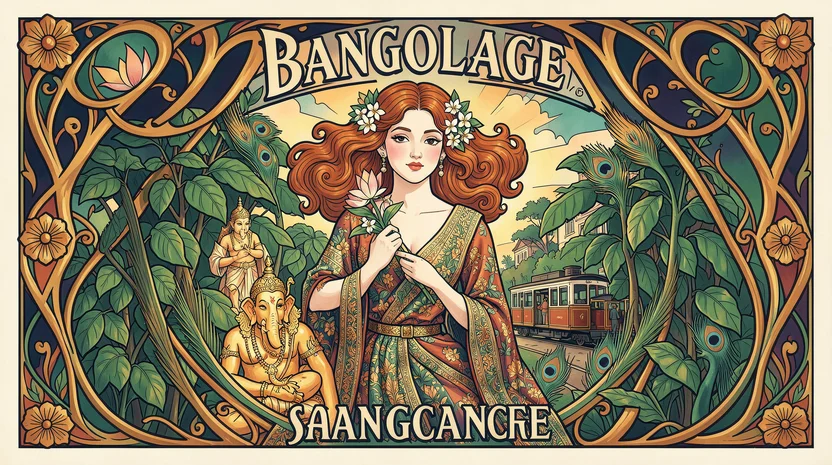
Welcome, quiz enthusiasts, to a journey into the heart of India's technological prowess and cultural vibrancy – Bangalore! Officially known as Bengaluru, this megacity pulsates with a unique energy, a captivating blend of ancient traditions and cutting-edge innovation. Once a sleepy cantonment town, it has blossomed into a global hub for information technology, earning the moniker "Silicon Valley of India." But Bangalore is more than just circuits and code; it's a city steeped in history, boasting magnificent temples, lush gardens, and a rich culinary heritage.
From the majestic Bangalore Palace, reminiscent of Windsor Castle, to the tranquil Lal Bagh Botanical Garden, a verdant oasis in the urban landscape, Bangalore offers a captivating tapestry of experiences. It's a city where ancient Dravidian roots intertwine with modern aspirations, where the aroma of filter coffee mingles with the hum of data centers, and where the echoes of Tipu Sultan's reign resonate amidst the vibrant nightlife. Prepare to delve into the fascinating facets of this dynamic metropolis and test your knowledge on its history, culture, and contributions to the world. Are you ready to unlock the secrets of Bangalore? Let the quiz begin!
Bangalore: The Silicon Valley of India - A Comprehensive Study Guide
This guide provides a comprehensive overview of Bangalore (officially Bengaluru), covering its history, geography, economy, culture, and modern challenges. Whether you're a student, traveler, or simply curious, this resource aims to provide a detailed and engaging understanding of this dynamic Indian city.
I. Introduction: The City of Gardens to the Tech Hub
- Official Name: Bengaluru (Kannada: ಬೆಂಗಳೂರು)
- Nickname: Silicon Valley of India, Garden City of India, Pensioner's Paradise
- Location: Southern India, on the Deccan Plateau
- State: Karnataka (Capital)
- Population (approx. 2023): 13.6 million (Greater Bengaluru)
- Significance: A major economic and cultural hub, renowned for its IT industry, education, research institutions, and cosmopolitan lifestyle.
II. Historical Roots: From Humble Beginnings to a Strategic City
- Early History:
- Legend traces the city's name to a story of King Veera Ballala II of the Hoysala dynasty, who lost his way in the forest and was offered boiled beans ("benda kaluru") by an old woman.
- Inscriptions suggest a settlement existed in the area as early as 890 AD.
- Vijayanagara Empire:
- Kempe Gowda I, a chieftain under the Vijayanagara Empire, is credited with founding modern Bangalore in 1537.
- He built a mud fort and established four watchtowers marking the city's initial boundaries.
- Mughal and Maratha Influence:
- Bangalore was briefly under Mughal control in the 17th century.
- The Marathas captured the city in 1687 and sold it to the Mysore royal family.
- Mysore Kingdom & Hyder Ali and Tipu Sultan:
- Hyder Ali and his son Tipu Sultan strengthened Bangalore, building the Bangalore Fort and Lal Bagh Botanical Garden.
- Bangalore became a strategic military base for Tipu Sultan.
- British Rule:
- The British East India Company captured Bangalore in 1791 during the Third Anglo-Mysore War.
- Bangalore developed as a cantonment town, with a separate administrative structure from the Mysore Kingdom.
- The cantonment area became known for its British-style architecture, parks, and vibrant social life.
- Post-Independence:
- Bangalore became the capital of the newly formed state of Mysore (later renamed Karnataka) in 1956.
- The city experienced rapid industrial growth, particularly in the aerospace and defense sectors.
III. Geography and Climate: Deccan Plateau's Advantage
- Location: Situated on the Deccan Plateau at an average elevation of 900 meters (3,000 feet).
- Terrain: Generally flat, with gentle rolling hills.
- Rivers: The Arkavathi and Vrishabhavathi rivers flow through the city, although they are now heavily polluted.
- Lakes: Historically known for its many lakes, Bangalore is facing challenges with their maintenance and preservation. Key lakes include Ulsoor Lake, Sankey Tank, and Hebbal Lake.
- Climate: Tropical savanna climate.
- Summers (March-May): Hot and dry, with temperatures reaching 35°C (95°F).
- Monsoon (June-October): Moderate rainfall, providing relief from the heat.
- Winters (November-February): Pleasant and mild, with temperatures ranging from 15°C to 25°C (59°F to 77°F).
- Vegetation: Primarily dry deciduous forests. The city's green cover has been significantly reduced due to urbanization.
IV. Economy: The Engine of India's IT Revolution
- Key Sectors:
- Information Technology (IT): Bangalore is the undisputed IT capital of India, home to numerous multinational corporations (MNCs), software companies, and startups. Major companies include Infosys, Wipro, TCS, and numerous international firms.
- Aerospace: Home to Hindustan Aeronautics Limited (HAL), a major aerospace and defense company.
- Biotechnology: A growing sector with research institutions and pharmaceutical companies.
- Manufacturing: Industries include electronics, machinery, and automobiles.
- Services: A thriving service sector encompassing finance, banking, healthcare, and education.
- Economic Contribution: Bangalore contributes significantly to India's GDP and is a major exporter of IT services.
- Startup Ecosystem: Vibrant startup culture, attracting venture capital and fostering innovation. Considered one of the leading startup hubs globally.
- Challenges:
- Infrastructure: Overburdened infrastructure struggling to keep pace with rapid growth.
- Traffic Congestion: Severe traffic congestion is a major problem, impacting productivity and quality of life.
- Water Scarcity: Growing population and unsustainable water management practices have led to water scarcity issues.
V. Culture and Society: A Melting Pot of Traditions
- Cosmopolitan Culture: Bangalore is a melting pot of cultures, with people from all over India and the world residing in the city.
- Languages: Kannada is the official language. English is widely spoken, especially in business and IT sectors. Other languages include Tamil, Telugu, Hindi, and Malayalam.
- Cuisine: Diverse culinary scene, offering a wide range of cuisines from traditional South Indian to international flavors. Known for its masala dosa, idli, vada, and bisi bele bath.
- Festivals: Celebrates all major Indian festivals, including Diwali, Holi, Eid, Christmas, and Ganesh Chaturthi. The Bangalore Karaga festival is a unique local event.
- Arts and Entertainment:
- Thriving theater scene, with both traditional and contemporary plays.
- Music concerts and performances featuring Indian and international artists.
- Art galleries and museums showcasing contemporary and historical art.
- Education: A major educational hub, with numerous universities, engineering colleges, and management institutions. Notable institutions include:
- Indian Institute of Science (IISc)
- Indian Institute of Management Bangalore (IIMB)
- National Law School of India University (NLSIU)
- Visvesvaraya Technological University (VTU)
- Lifestyle: A relatively liberal and modern lifestyle, attracting young professionals and students.
VI. Tourism: Exploring the City's Attractions
- Historical Sites:
- Bangalore Fort: Built by Hyder Ali and Tipu Sultan.
- Tipu Sultan's Summer Palace: A wooden structure showcasing Indo-Islamic architecture.
- Bangalore Palace: Inspired by Windsor Castle, reflecting British colonial influence.
- Gardens and Parks:
- Lal Bagh Botanical Garden: Famous for its diverse plant species and annual flower shows.
- Cubbon Park: A sprawling green space offering recreational activities.
- Religious Sites:
- Bull Temple (Dodda Basavana Gudi): Houses a massive Nandi bull statue.
- ISKCON Temple: A modern temple dedicated to Lord Krishna.
- St. Mary's Basilica: A historic Catholic church.
- Museums:
- Visvesvaraya Industrial and Technological Museum: Showcasing scientific and technological advancements.
- Government Museum: Displaying artifacts from Karnataka's history and culture.
- Other Attractions:
- Vidhana Soudha: The state legislative assembly building, a magnificent example of neo-Dravidian architecture.
- High Court of Karnataka: Another impressive building showcasing colonial architecture.
VII. Infrastructure and Transportation:
- Roads: Extensive road network, but prone to traffic congestion.
- Public Transportation:
- Bangalore Metropolitan Transport Corporation (BMTC) buses: A widespread bus network.
- Namma Metro: A rapid transit system providing a faster mode of transportation.
- Auto-rickshaws and taxis: Readily available for local travel.
- Airports: Kempegowda International Airport (BLR): A modern international airport connecting Bangalore to major cities worldwide.
- Railways: Well-connected to other major Indian cities through a railway network.
VIII. Challenges and Future Prospects:
- Urban Sprawl: Rapid urbanization has led to unplanned growth and environmental degradation.
- Water Management: Sustainable water management practices are crucial to address water scarcity.
- Pollution: Air and water pollution are significant concerns due to industrial activity and vehicle emissions.
- Social Inequality: Widening gap between the wealthy and the poor requires attention.
- Infrastructure Development: Continued investment in infrastructure is essential to support future growth.
- Sustainable Development: Balancing economic growth with environmental protection is vital for the city's long-term sustainability.
- Future Prospects: Despite the challenges, Bangalore is poised to remain a major economic and technological hub in India, driven by its innovative spirit and skilled workforce.
IX. Key Takeaways:
- Bangalore's transformation from a garden city to the Silicon Valley of India is a remarkable story of economic and social change.
- Its diverse culture, thriving economy, and vibrant lifestyle make it a unique and attractive city.
- Addressing the challenges related to infrastructure, environment, and social inequality is crucial for ensuring its sustainable growth and development.
- Bangalore's future depends on its ability to leverage its strengths and address its weaknesses in a proactive and sustainable manner.
X. Further Exploration:
- Books:
- "Bangalore: A History" by Maya Jayapal
- "Bangalore: The Story of a City" by Peter Colaco
- Websites:
- Official website of the Government of Karnataka
- Bangalore Metropolitan Region Development Authority (BMRDA)
- Documentaries: Search for documentaries on Bangalore's history, culture, and development on platforms like YouTube and Vimeo.
- Academic Journals: Explore research papers and articles on Bangalore's urban development, economy, and social issues.
This comprehensive guide provides a solid foundation for understanding Bangalore. Remember to stay updated on current events and trends to gain a complete picture of this ever-evolving city. Good luck with your studies!