Jumanji
Similar Quizzes
About this quiz
This quiz about Jumanji features 10 questions. It was generated by one of our users February 15, 2026.
Welcome to the Wild World of Jumanji!
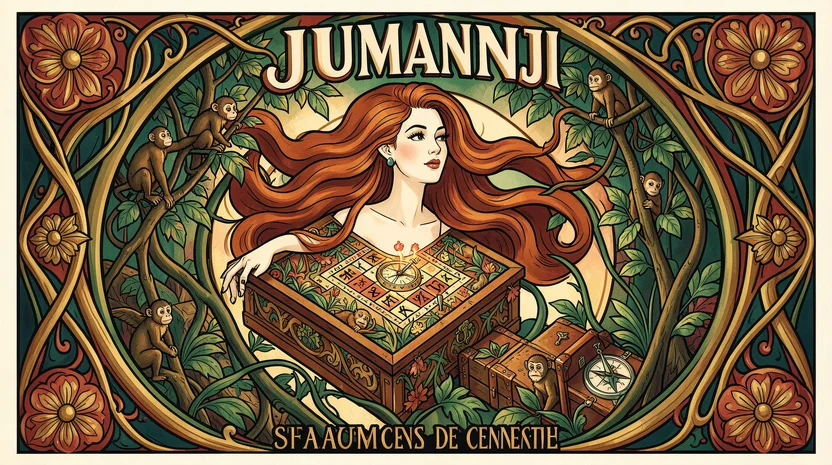
Step into a realm where board games come dangerously to life! "Jumanji" began as Chris Van Allsburg's acclaimed 1981 children's picture book, which won the prestigious Caldecott Medal for its stunning illustrations and imaginative storytelling. The tale follows siblings who discover a mysterious jungle-themed board game that unleashes real wild animals and natural disasters into their quiet suburban home with every roll of the dice. Van Allsburg's genius lay in transforming an ordinary afternoon activity into a heart-pounding adventure where the only way out is to finish the game.
The story's popularity exploded when it was adapted into the beloved 1995 film starring Robin Williams, bringing the magical chaos to life with groundbreaking special effects and Williams' unforgettable performance as Alan Parrish—a man trapped in the game for decades. The franchise has since evolved into a modern phenomenon, spawning sequels like "Jumanji: Welcome to the Jungle" (2017) and "Jumanji: The Next Level" (2019), which cleverly updated the concept for the video game generation. These films transformed the original board game into an immersive video game experience, featuring Dwayne Johnson, Kevin Hart, and Jack Black as avatars in a digital jungle world.
What makes Jumanji enduringly captivating is its perfect blend of childhood wonder and genuine peril, teaching us that some games are far more than entertainment—they're tests of courage, teamwork, and determination. Ready to test your knowledge of this wild franchise?
Jumanji: A Comprehensive Study Guide
Table of Contents
- Introduction
- Literary Origins
- Film Adaptations
- Themes and Symbolism
- Character Analysis
- Cultural Impact
- Educational Applications
- Study Questions
Introduction
Jumanji is a beloved multimedia franchise that began as a children's picture book and evolved into a series of blockbuster films. The story centers around a mysterious board game that brings its jungle-themed challenges into the real world, creating chaos and adventure for those who dare to play.
Key Facts
- Original Medium: Picture book (1981)
- Creator: Chris Van Allsburg
- Genre: Fantasy, Adventure, Children's Literature
- Main Theme: Consequences of actions and the importance of finishing what you start
Literary Origins
The Original Book (1981)
Author: Chris Van Allsburg
Publication Year: 1981
Awards: Caldecott Medal (1982)
Plot Summary
Two children, Judy and Peter, discover an abandoned board game in a park. When they bring it home and begin playing, they realize that whatever happens in the game manifests in reality. The game can only be stopped by finishing it completely.
Artistic Style
- Medium: Charcoal and conte crayon
- Style: Photorealistic illustrations with surreal elements
- Atmosphere: Dark, mysterious, and slightly ominous
- Visual Impact: Creates tension between ordinary suburban settings and extraordinary jungle elements
Literary Significance
- Winner of the prestigious Caldecott Medal
- Demonstrates Van Allsburg's signature blend of reality and fantasy
- Explores themes of responsibility and consequence in children's literature
Film Adaptations
Jumanji (1995)
Director: Joe Johnston
Starring: Robin Williams, Kirsten Dunst, Bradley Pierce
Box Office: $262.8 million worldwide
Plot Overview
The film expands the original story by introducing Alan Parrish, a boy who gets trapped in the game for 26 years. When two new children find the game, they must finish it to free Alan and reverse all the chaos the game has caused.
Key Innovations
- Special Effects: Groundbreaking CGI for jungle animals and environments
- Character Development: Added backstory and emotional depth
- Expanded Universe: Introduced the concept of players being trapped within the game
Cultural Reception
- Became a family film classic
- Robin Williams' performance was widely praised
- Established the template for future adaptations
Jumanji: Welcome to the Jungle (2017)
Director: Jake Kasdan
Starring: Dwayne Johnson, Kevin Hart, Jack Black, Karen Gillan
Box Office: $962.1 million worldwide
Modern Adaptation
- Format Change: Board game becomes a video game
- Avatar System: Players become video game characters
- Contemporary Issues: Addresses modern teenage problems and social media culture
Success Factors
- Updated concept for digital age audiences
- Strong comedic performances
- Maintained core themes while modernizing execution
Jumanji: The Next Level (2019)
Director: Jake Kasdan
Continuing Cast: Returns most of the 2017 cast
Box Office: $800+ million worldwide
Plot Evolution
- Characters get mixed up in different avatars
- Introduces new game environments
- Explores themes of aging and family relationships
Themes and Symbolism
Primary Themes
1. **Consequences and Responsibility**
- Every action in the game has real-world consequences
- Players must face the results of their choices
- The only way out is through completion, not abandonment
2. **Coming of Age**
- Characters face fears and grow through challenges
- Transition from childhood innocence to mature understanding
- Learning to work together and trust others
3. **The Power of Games**
- Games as metaphors for life's challenges
- The thin line between play and reality
- How rules and structure can both constrain and liberate
4. **Family and Friendship**
- Importance of working together
- Overcoming personal differences for common goals
- Building trust through shared adversity
Symbolic Elements
The Game Itself
- Represents: Life's unpredictability and challenges
- Function: Forces players to confront their fears
- Message: You cannot escape consequences by quitting
The Jungle
- Symbolizes: The unknown, primal fears, chaos
- Contrast: Civilized world vs. wild nature
- Growth: Characters must navigate both literal and metaphorical jungles
The Dice
- Meaning: Fate, chance, and the unknown future
- Control: Players must accept uncertainty
- Progress: Each roll moves the story forward, regardless of outcome
Character Analysis
Original Book Characters
Judy
- Age: Approximately 10-12
- Traits: Curious, brave, responsible older sister
- Role: Often takes leadership in difficult situations
- Growth: Learns the importance of seeing things through to completion
Peter
- Age: Approximately 8-10
- Traits: Impulsive, younger brother, follows Judy's lead
- Role: Represents childhood innocence and wonder
- Challenge: Must overcome fear and impatience
1995 Film Characters
Alan Parrish (Robin Williams)
- Background: Trapped in the game for 26 years
- Character Arc: From frightened boy to courageous adult
- Significance: Represents lost childhood and second chances
- Growth: Learns to face his fears and take responsibility
Sarah Whittle
- Role: Alan's childhood friend, traumatized by early game experience
- Journey: Must overcome PTSD and help finish the game
- Symbolism: Represents how past trauma can be overcome
Modern Film Characters (2017/2019)
Spencer/Dr. Smolder Bravestone
- Real Life: Insecure, video game-obsessed teenager
- Avatar: Confident, strong adventurer (Dwayne Johnson)
- Growth: Learns real-world confidence and leadership
Martha/Ruby Roundhouse
- Real Life: Shy, academic student
- Avatar: Skilled fighter and dancer (Karen Gillan)
- Development: Discovers inner strength and confidence
Cultural Impact
Literature
- Influence: Inspired numerous "game comes to life" stories
- Education: Widely used in schools to teach narrative structure
- Art: Van Allsburg's illustrations influenced children's book illustration
Film Industry
- Special Effects: 1995 film pushed boundaries of CGI technology
- Family Entertainment: Helped define modern family adventure films
- Franchise Building: Demonstrated successful adaptation and modernization strategies
Popular Culture
- Memes and References: "What year is it?" became a popular meme
- Gaming: Influenced actual board game and video game design
- Theme Parks: Inspired attractions and experiences
Educational Impact
- Reading Programs: Frequently included in elementary curricula
- Media Literacy: Used to teach adaptation across different media
- Discussion Topics: Provides rich material for character and theme analysis
Educational Applications
Language Arts
Reading Comprehension
- Prediction: Students predict outcomes based on game rules
- Sequencing: Following the logical progression of game events
- Cause and Effect: Understanding how actions lead to consequences
Creative Writing
- Story Extensions: Students create their own Jumanji-style games
- Character Development: Exploring how characters change through adversity
- Descriptive Writing: Describing fantastical scenes and creatures
Social Studies
Problem Solving
- Teamwork: Analyzing how characters work together
- Leadership: Identifying leadership qualities in different characters
- Conflict Resolution: How characters overcome disagreements
Cultural Analysis
- Media Evolution: Comparing book, 1995 film, and modern adaptations
- Technology Impact: How changing technology affects storytelling
- Social Values: What the stories reveal about different time periods
Art Education
Visual Analysis
- Illustration Study: Examining Van Allsburg's artistic techniques
- Film Design: Analyzing special effects and cinematography
- Comparative Media: How visual storytelling differs across formats
Creative Projects
- Board Game Design: Students create their own magical board games
- Character Design: Designing avatars and game characters
- Storyboarding: Planning visual sequences for key scenes
Study Questions
Comprehension Questions
Basic Understanding
- What makes the Jumanji game different from ordinary board games?
- Why can't players simply stop playing when things get dangerous?
- How do the different versions (book, films) change the basic story?
Character Analysis
- How does Alan Parrish change during his 26 years in the game?
- What fears do the main characters have to overcome?
- How do the modern characters' real-life problems relate to their game challenges?
Critical Thinking Questions
Theme Analysis
- What does Jumanji teach us about taking responsibility for our actions?
- How does the game serve as a metaphor for growing up?
- Why is it significant that the game cannot be won by cheating or quitting?
Comparative Analysis
- How do the different adaptations reflect the time periods in which they were made?
- What are the advantages and disadvantages of each format (book, film) for telling this story?
- How does changing from a board game to a video game affect the story's meaning?
Creative Application
- Design your own magical game. What would happen when people play it?
- If you were trapped in a game like Jumanji, what skills would help you survive?
- How might the Jumanji story be different if it were created today?
Research Projects
- Investigate Chris Van Allsburg's other works. What common themes do you find?
- Research the special effects used in the 1995 film. How were they groundbreaking?
- Compare Jumanji to other "portal fantasy" stories. What similarities and differences do you find?
Conclusion
Jumanji represents a masterful example of how a simple concept can evolve across different media while maintaining its core appeal. From Van Allsburg's haunting illustrations to Williams' memorable performance to the modern blockbuster adaptations, the franchise continues to captivate audiences by exploring universal themes of growth, responsibility, and courage.
The enduring popularity of Jumanji demonstrates the power of stories that combine fantastical elements with real emotional truths, creating experiences that are both entertaining and meaningful for audiences of all ages.
Additional Resources
Books
- Zathura by Chris Van Allsburg (spiritual successor)
- The Polar Express by Chris Van Allsburg
- The Garden of Abdul Gasazi by Chris Van Allsburg
Films
- Zathura: A Space Adventure (2005)
- The Pagemaster (1994)
- Night at the Museum series
Academic Articles
- Studies on children's fantasy literature
- Analysis of game-based narratives